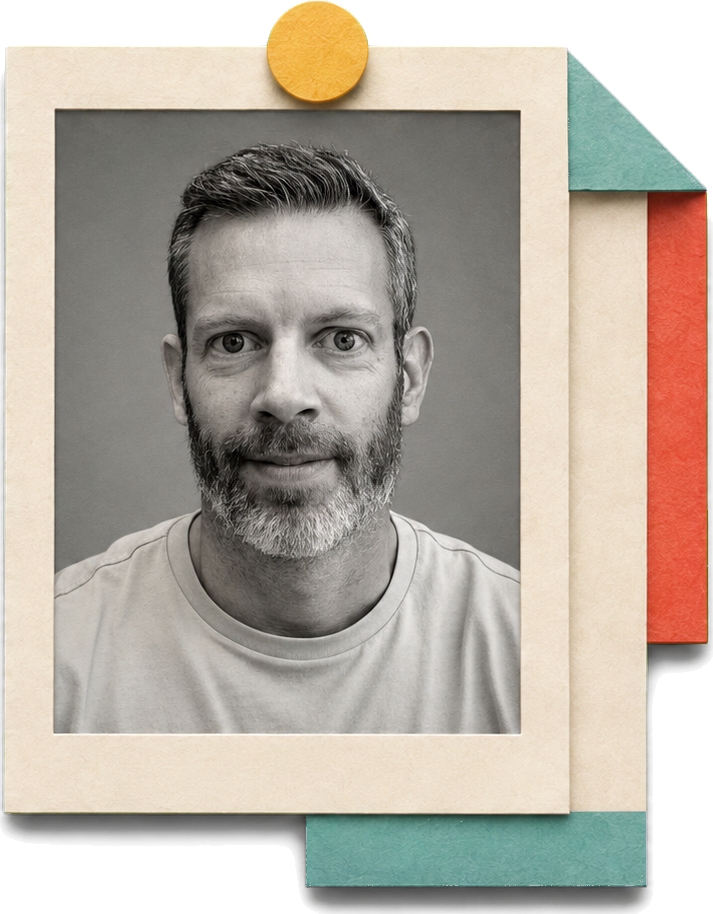
We turn complex into playful
Transform slides, reports and data
into stories people explore
SUPAH / STUDIO crafts interactive stories, tools and experiences that inspire, engage and move.
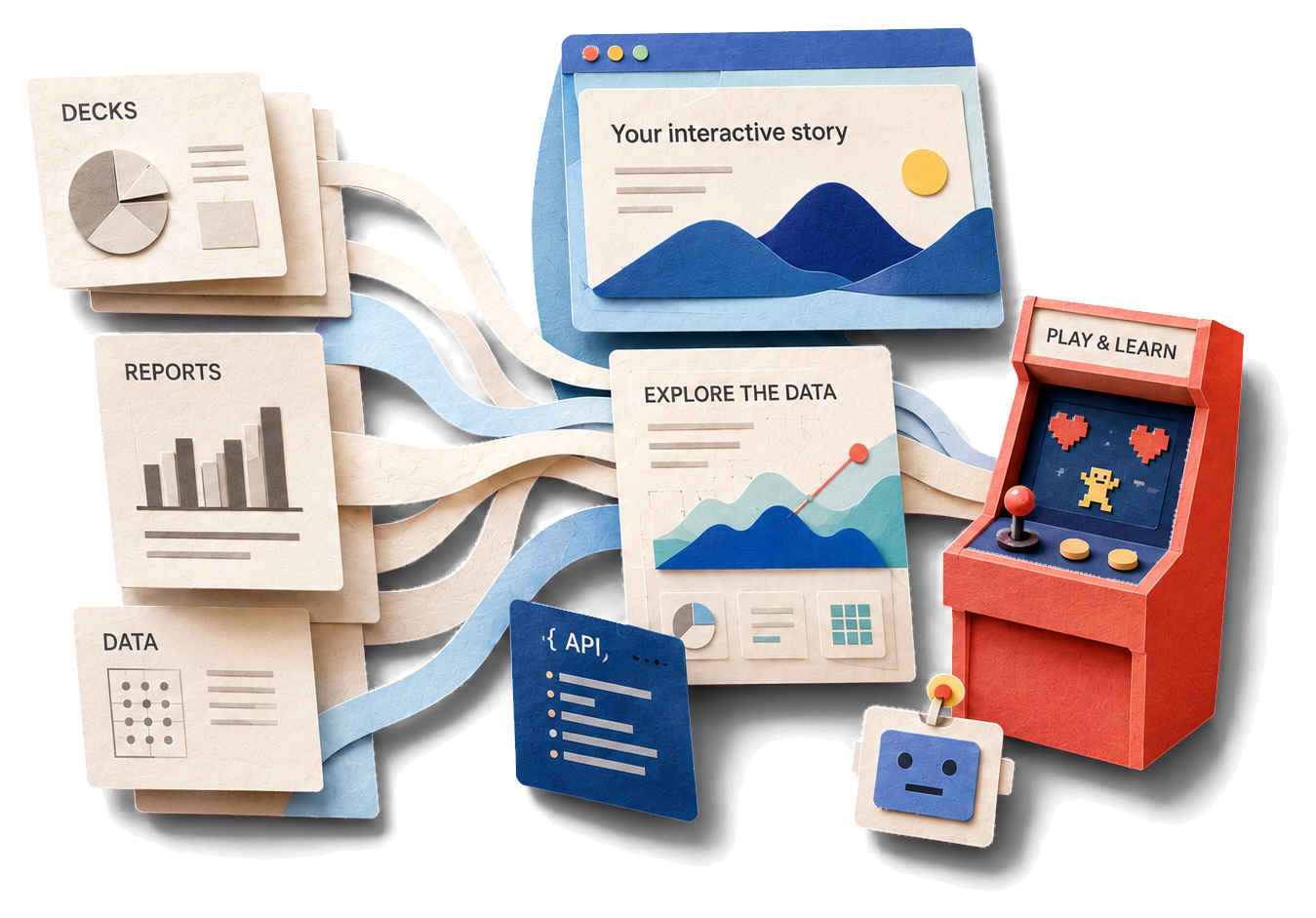


What we transform
Sometimes the format is the problem.
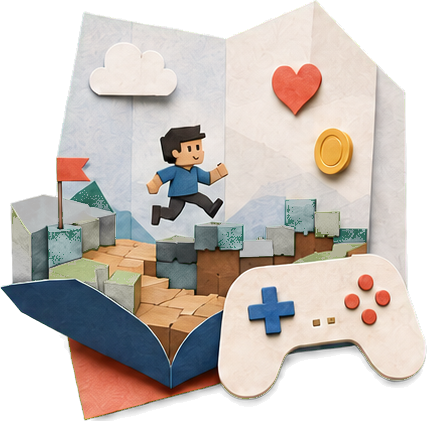
Stories + games
Interactive stories and games people love to explore and share.
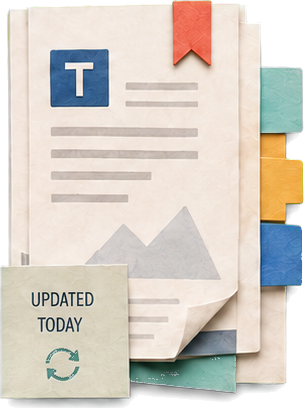
Living documents
Documents that stay alive—updated, useful and engaging.
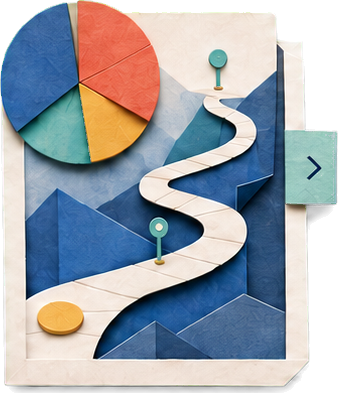
Data stories
Data turned into clear, visual stories that drive decisions.

Tools + prototypes
Useful tools and prototypes that help people test, learn and act.


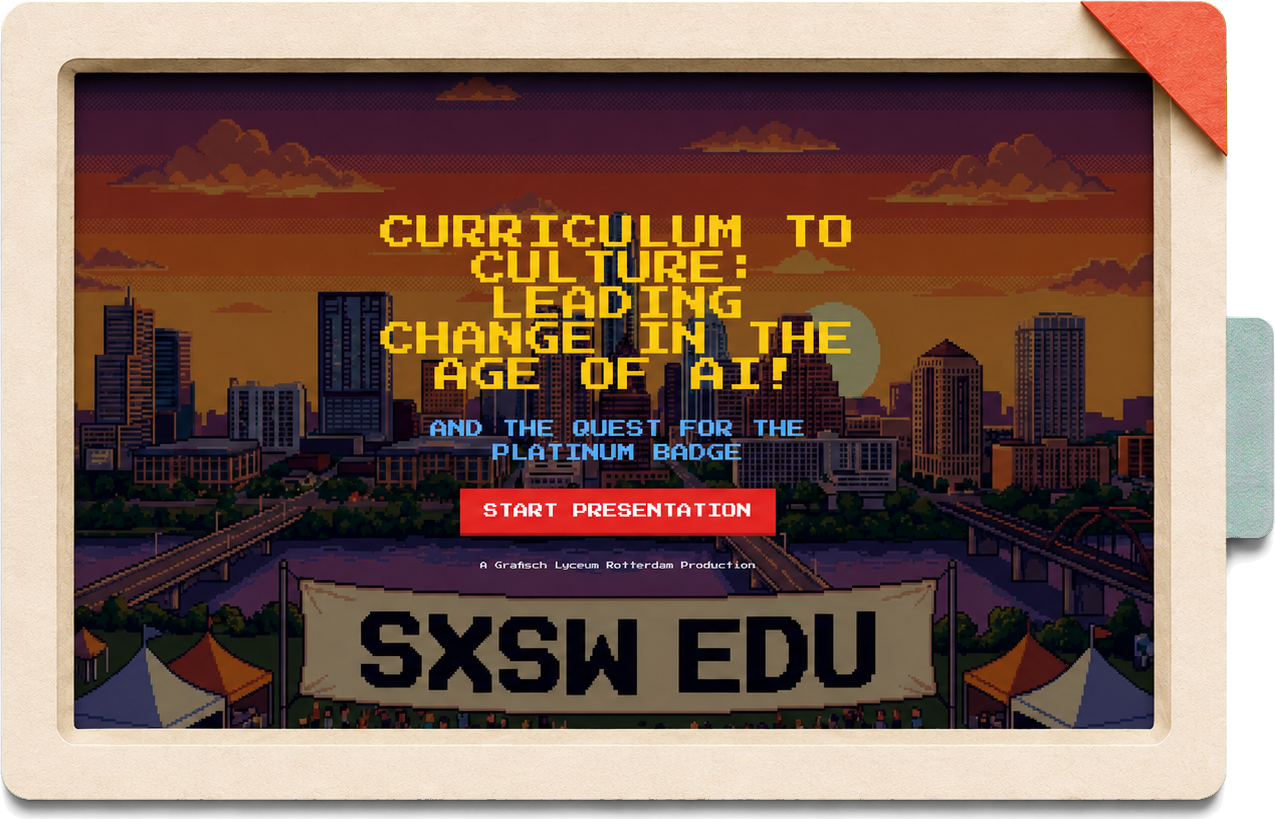
A keynote that became an arcade game.
For SXSW EDU 2026, a conventional presentation about innovation culture became a playable side-scrolling story.
 Packed roomActive participationLasting conversations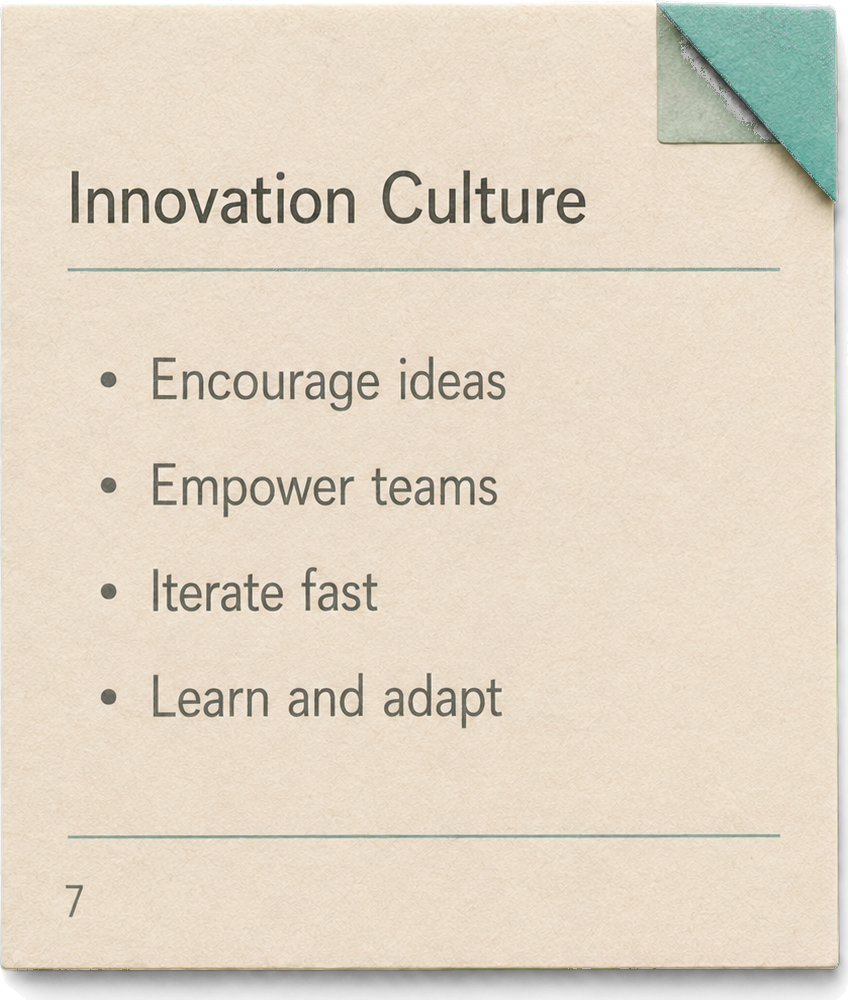

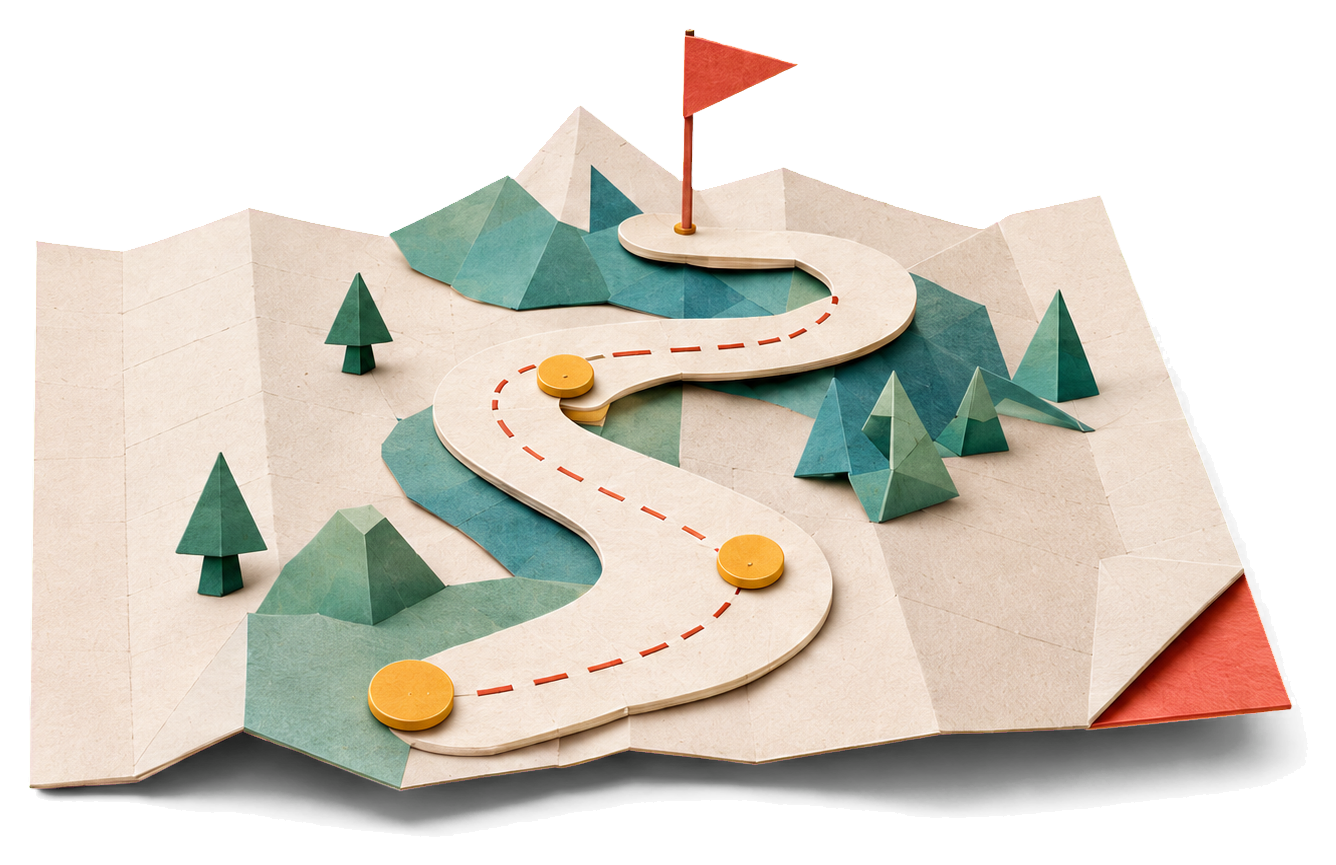
A method for making ideas move
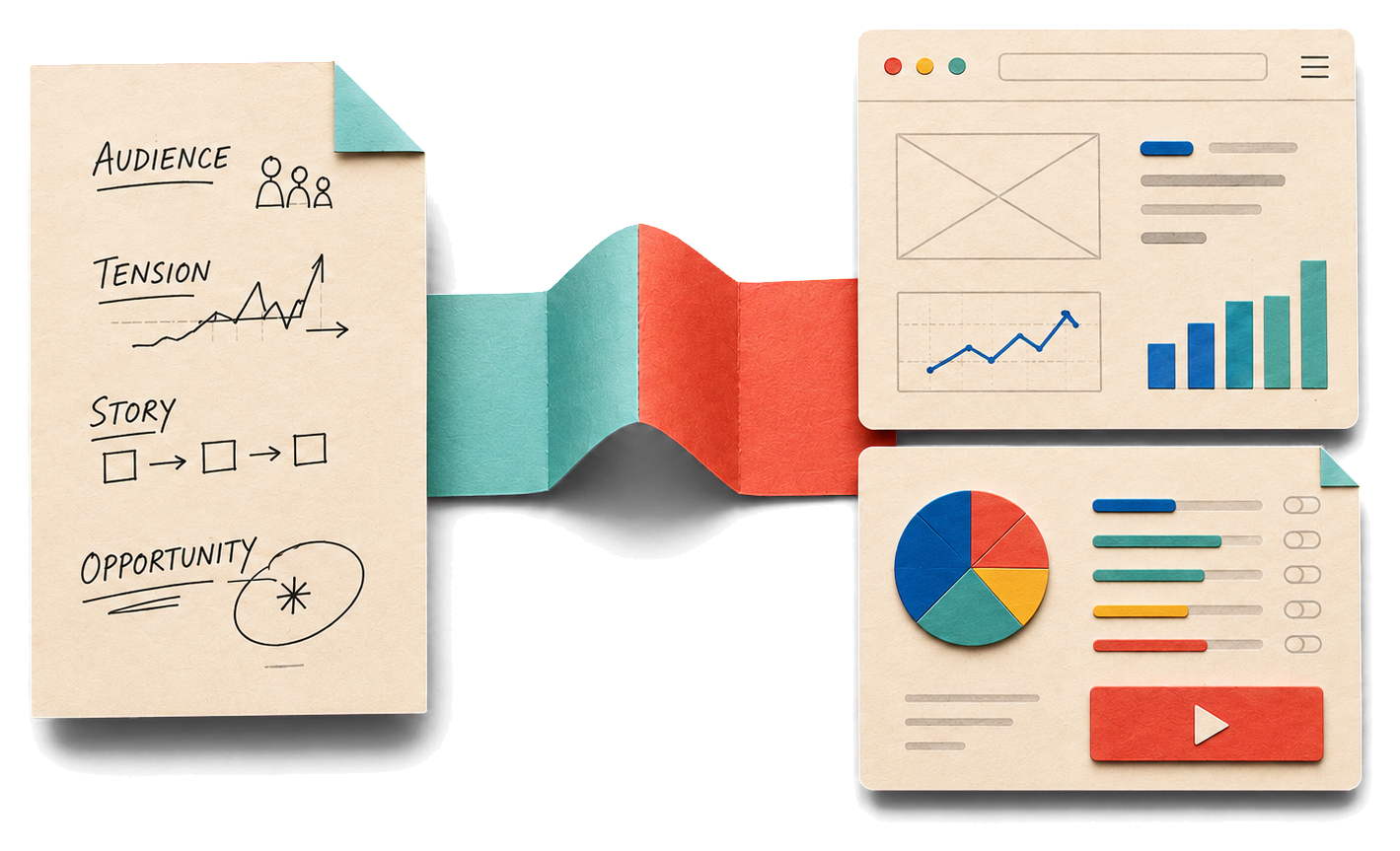
The process starts with meaning, not technology.

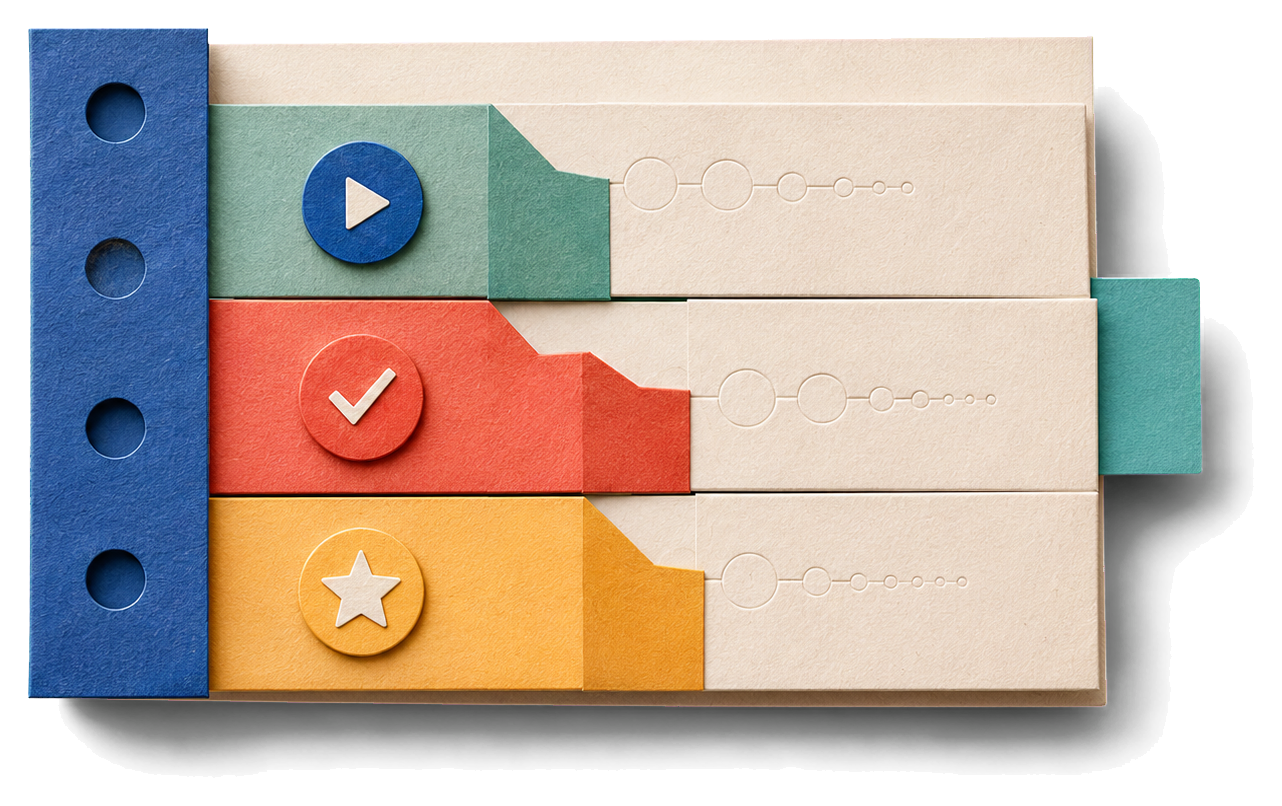
Find the tension, opportunity and audience.
Reveal the real story inside the material.
Explore unexpected formats and interactions.
Use AI and rapid prototyping to build with speed.
Test, refine and turn the experiment into value.
Find the tension, opportunity and audience.
Reveal the real story inside the material.
Explore unexpected formats and interactions.
Use AI and rapid prototyping to build with speed.
Test, refine and turn the experiment into value.
Human concepts.
AI execution.
AI accelerates production, exploration and iteration. The concept, judgement and story remain human.
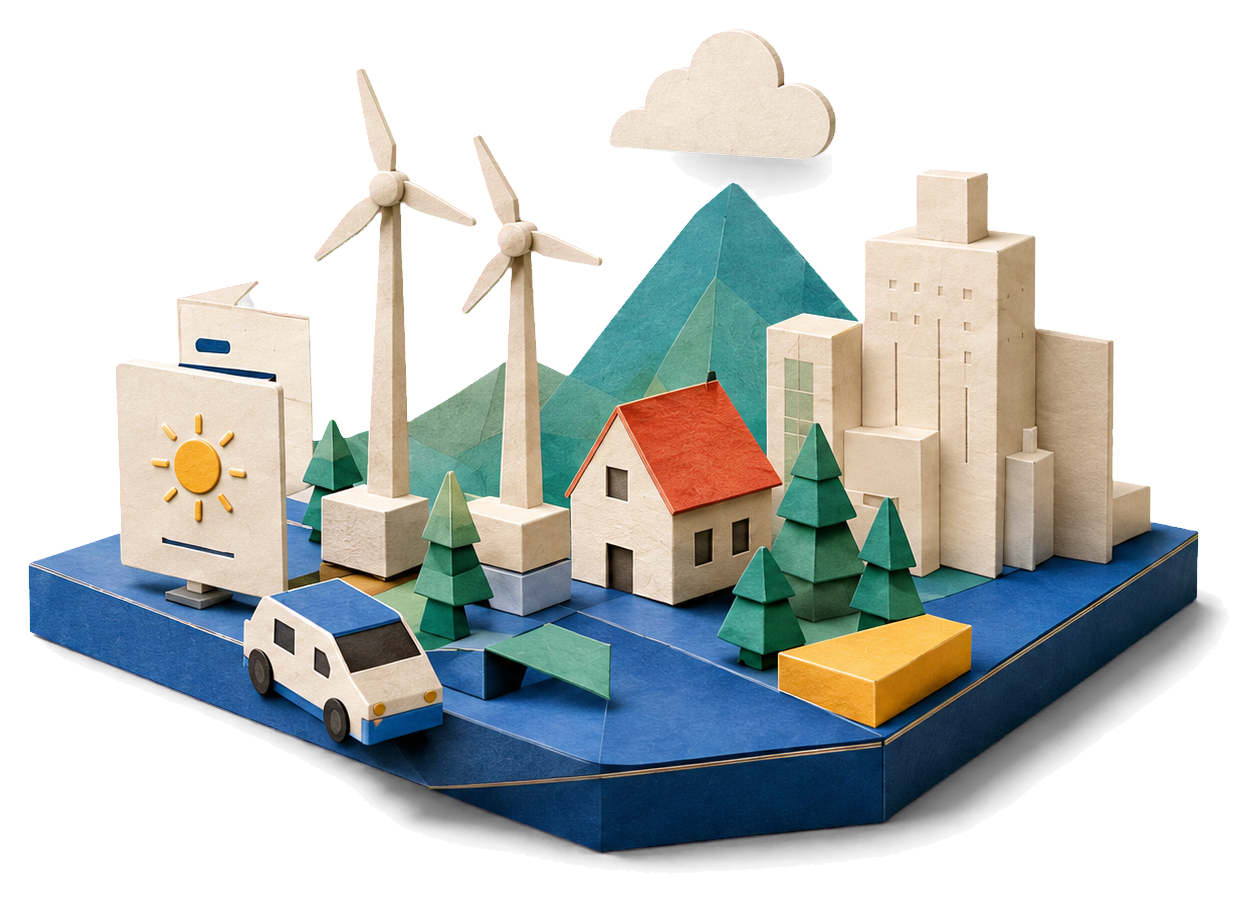
Things we could make together
Formats shaped around the story, not the other way around.
View selected work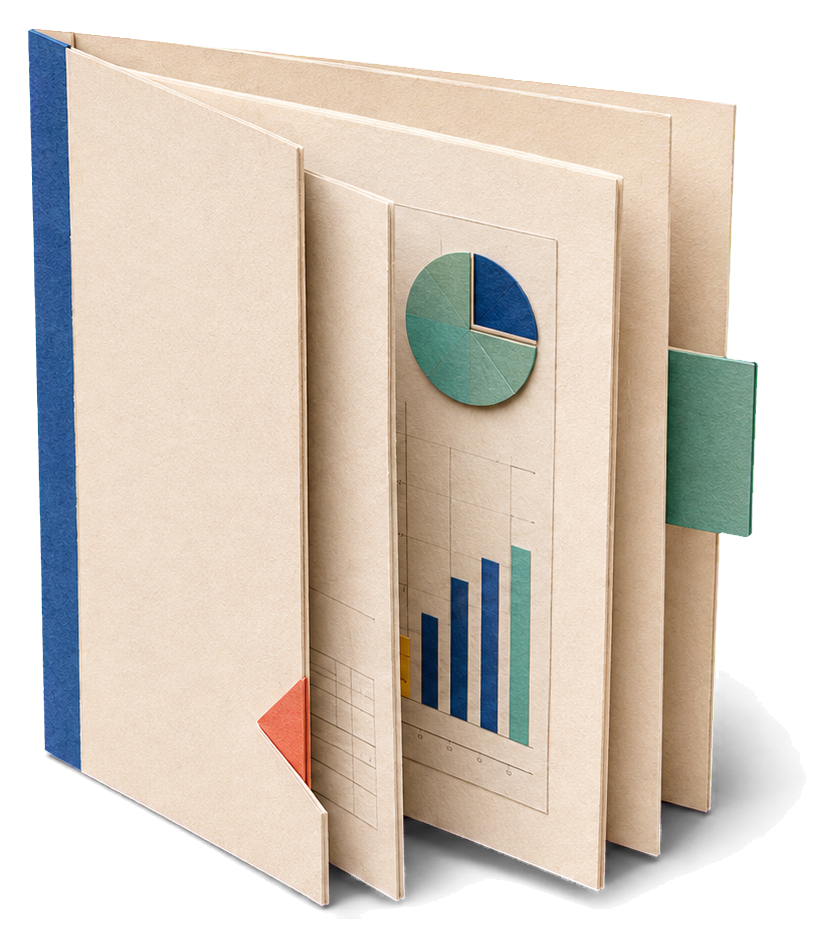

Have a story to tell?
Let me know!
Tell me what you're working on, what you want people to understand, and where the story is getting stuck.

SUPAH / STUDIO
An independent digital storytelling studio based in Rotterdam and working remotely.
Strategy, storytelling, design and AI-assisted development—closing the gap between message and movement.